

Syedpur.net — আমাদের ঐতিহ্য, আমাদের গৌরব
সাইন ইন
আপনার অ্যাকাউন্টে যান
Village archive

History of Syedpur

From its 14th-century founding by a Syed saint to a global diaspora — seven centuries of faith, water, and community in the heart of Bangladesh's haor country.

14th Century
Founded
41
Villages in Union
23,882
Population
Jagannathpur
Upazila

Official Facts

Wikipedia
VillageSyedpur (সৈয়দপুর)
UnionSyedpur Shaharpara Union
UpazilaJagannathpur
DistrictSunamganj
DivisionSylhet
Postal Code3061
Area5,487 acres
Wards9
Villages (Union)41
Population23,882 (2011 census)
Households3,859 (2011 census)
Distance~6 km SE of Jagannathpur town

Founding Tradition

Named after Syed Shamsuddin

According to local tradition and Wikipedia, Syedpur takes its name from Syed Shamsuddin — a descendant of Prophet Muhammad ﷺ through Husayn ibn Ali, and a disciple of Shah Jalal. He arrived in the area in the 14th century to spread Islam, and the village that grew around his settlement became known as Syedpur — "the town of the Syed."

Source: Wikipedia

Founded by a Syed Saint

Syedpur was established in the 14th century by Syed Shamsuddin — a descendant of the Prophet Muhammad through the Husayni lineage and one of twelve disciples of the Sufi master Shah Kamal Quhafah. Shah Kamal was dispatched by the saint Shah Jalal to spread Islam across Sunamganj following the conquest of Sylhet in 1303 CE. Instructed to settle west of the founding centre at Shaharpara, Syed Shamsuddin named the new village for his own title: Syedpur — 'Syed' (the Husayni honorific) and 'pur' (settlement). This origin ties Syedpur directly to the earliest spread of Islam across what is now northeastern Bangladesh.

Read heritage stories

A Village Shaped by Water

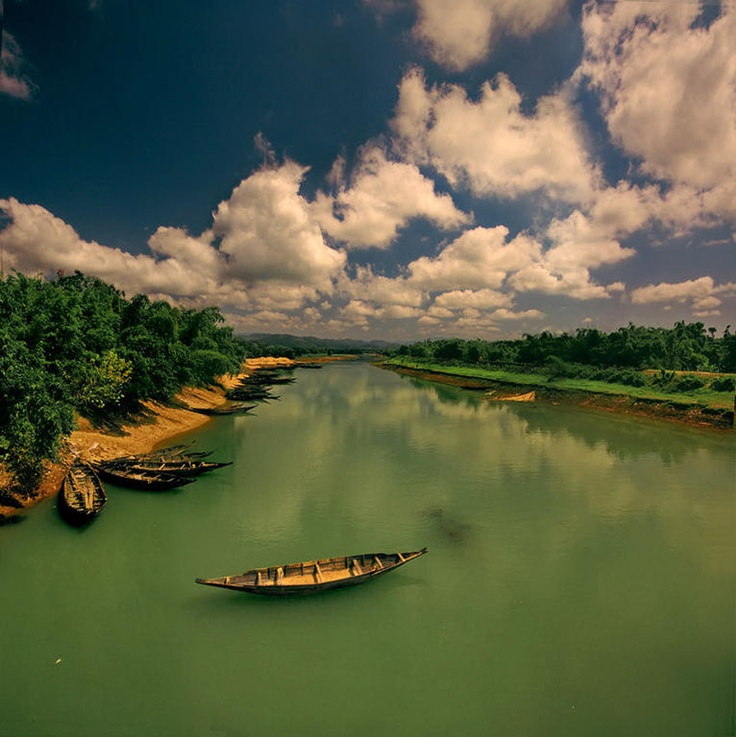
Syedpur sits in the haor (wetland) basin of Sunamganj — one of the most distinctive landscapes on earth. For up to seven months each year, the plains disappear beneath floodwater draining from the Meghalaya hills through the Kushiyara and Ratna rivers. Villages like Syedpur are built on elevated earthen mounds that become islands in the monsoon. When the waters recede in December, farmers descend to plant Boro paddy in the exposed haor bed, harvesting in April before the next flood arrives. This annual rhythm of flood and harvest, alongside the rich freshwater fisheries of the haors, has sustained Syedpur for seven centuries.

Explore the landscape

Mosques, Schools, and Markets

Syedpur's oldest surviving institution is the Saiadia Shamchhia Senior Madrasa, established in 1903, a testament to centuries of commitment to Islamic scholarship. Syedpur Pilot High School followed in 1963 — founded by Syed Abdul Malik and colleagues who initially taught without salary. Syedpur Adarsha College opened on 17 March 1995. The Syedpur Bazaar remains one of the most prominent weekly markets in Jagannathpur Upazila, serving traders across the Syedpur Shaharpara Union: nine wards, 41 villages, and approximately 24,000 people.

Browse heritage places

From the Haor to the World

The Sylheti-speaking people of Jagannathpur have one of the highest rates of emigration to Britain of any region in Bangladesh. The first known pioneer from the upazila in the UK was Ayub Ali Master — from neighbouring Achol village — who arrived in East London in 1919 and opened one of Britain's earliest Bengali restaurants on Commercial Street, Whitechapel. Today, tens of thousands of people of Syedpur and Jagannathpur heritage live across Tower Hamlets, Birmingham, Oldham, and the Midlands. Abdus Samad Azad, born in Jagannathpur and Bangladesh's first Foreign Minister (1971–1973), is among the upazila's most distinguished public figures.

Read diaspora stories
Key dates

Syedpur Through the Centuries

A chronological record of the moments that shaped this village and its people.

1303 CE

Shah Jalal conquers Sylhet; Shah Kamal Quhafah is dispatched to Sunamganj to spread Islam across the region.

c. 1313

Shah Kamal establishes Shaharpara as the centre of Islam in Sunamganj. His twelve disciples are sent to settle the surrounding villages.

c. 1315

Syed Shamsuddin — nephew of Shah Kamal and Syed of Husayni lineage — founds Syedpur west of Shaharpara, naming it for his own title.

1303–1620

The region is governed as Iqlim-e-Muazzamabad, an independent Islamic state founded by descendants of Shah Kamal.

1620

Mughal forces under Islam Khan conquer the area; the region is absorbed into Bengal Subah.

1903

Syedpur Saiadia Shamchhia Senior Madrasa is established — the village's oldest surviving institution.

1919

Ayub Ali Master from neighbouring Achol, Jagannathpur, arrives in East London — a pioneer of the Sylheti diaspora in Britain.

1947

Indian partition: East Bengal becomes East Pakistan. Jagannathpur and Sunamganj are part of the new state.

1963

Syedpur Pilot High School is founded by Syed Abdul Malik and colleagues, who initially teach without salary.

1971

Bangladesh Liberation War. Sunamganj District is liberated on 7 December. Abdus Samad Azad of Jagannathpur becomes Bangladesh's first Foreign Minister.

1983

Jagannathpur is upgraded from Thana to Upazila status under national administrative reform.

1995

Syedpur Adarsha College opens on 17 March, expanding higher education access in the village.

2000

Tanguar Haor in Sunamganj — part of the same haor basin that shapes Syedpur's landscape — is designated a Ramsar Wetland Site.

2022

India and Bangladesh sign a new water-sharing agreement for the Kushiyara River — the first such treaty in 25 years, directly affecting the Jagannathpur region.

Villages of the Union

Known Villages

13 of the 41 villages in Syedpur Shaharpara Union, as listed on Wikipedia.

Islampur
Sunatonpur
Teghoria
Novagaon
Shaharpara
Tilok / Tilak
Pirergaon
Budhrail
Syedpur
Boalgaon
Ahmadabad
Audot
Muradabad
+28 more

Governance

TypeUnion Parishad (Union Council of Bangladesh)
Current ChairmanMohammad Abul Hasan
Wards9 — one elected member per ward
HistoryChairman records date back to 1961
Living archive

A Living Record of Seven Centuries

From Syed Shamsuddin's founding in the 14th century to the global Sylheti diaspora of today — Syedpur's story belongs to its people. This archive grows with every memory submitted, every photograph shared, and every oral history recorded. Add your chapter.